Personalized, hands-on care
Tony's core approach is to witness each person as an individual with unique physical and emotional experiences. Rather than following rigid protocols, he assesses in real time, listens to your feedback, and adapts the approach accordingly — prioritizing gentleness and comfort throughout.
Where restrictions live
Restrictions can arise from injury, stress, surgery, or daily habits — and no system of the body works alone. Using a variety of direct and indirect techniques tailored to your needs, Tony addresses restriction wherever it lives. Click through the body's systems:
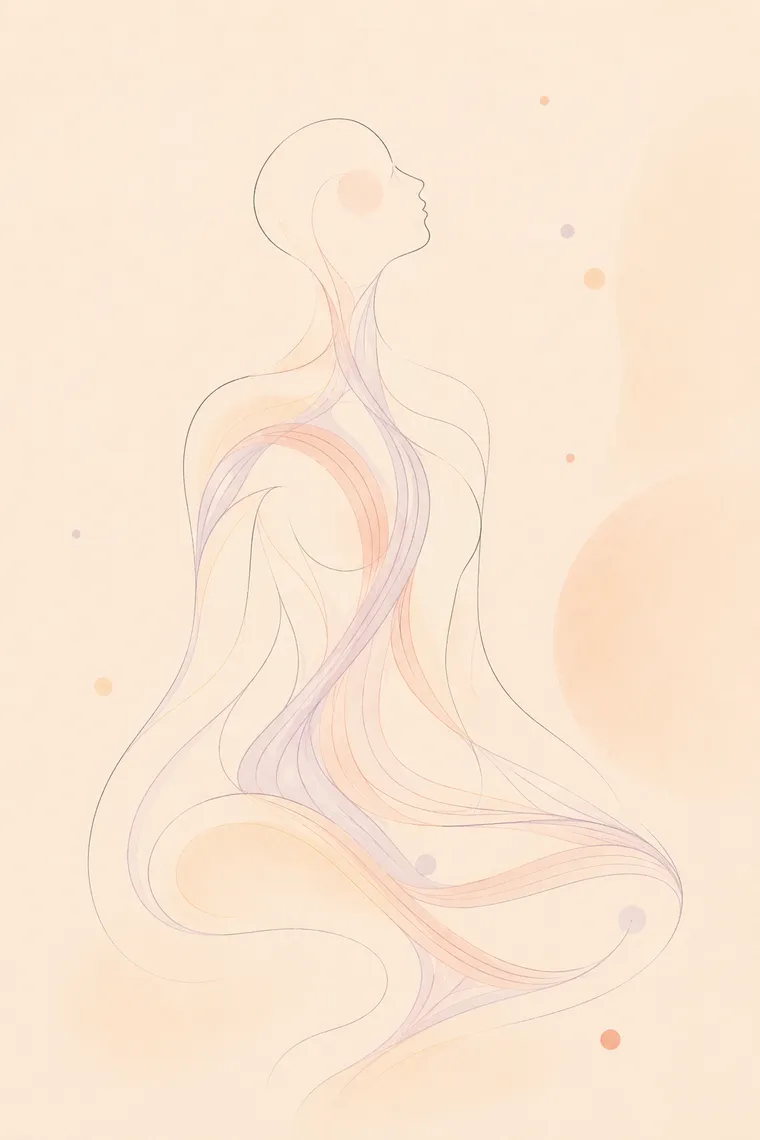
Myofascial system
The web of muscle and connective tissue that shapes and moves you. Strain, overuse, and old injuries leave tension patterns and scar-tissue restrictions here. Hands-on myofascial work aims to soften those restrictions, ease muscle pain, and restore smooth, comfortable movement.
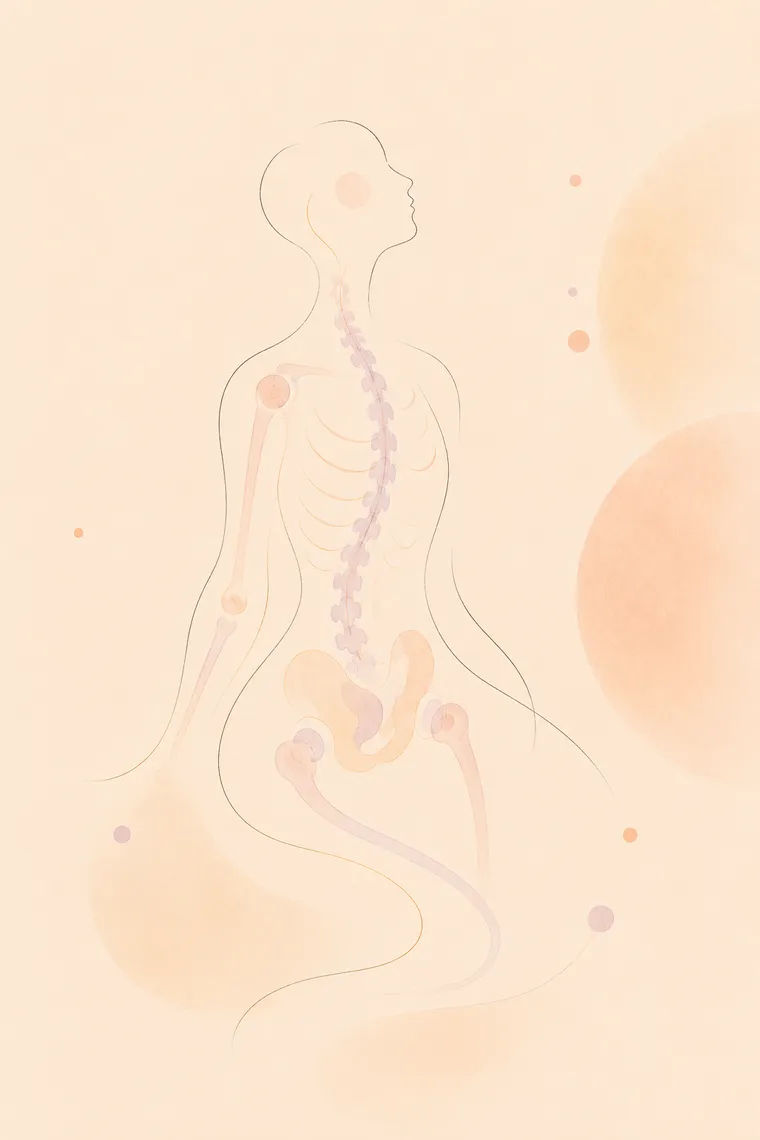
Skeletal system
The body's framework — bones, joints, and the ligaments that bind them. Sprains, falls, and postural habits can leave joints stiff or guarded. Gentle mobilization aims to restore each joint's natural range of motion and take pressure off the structures around it.
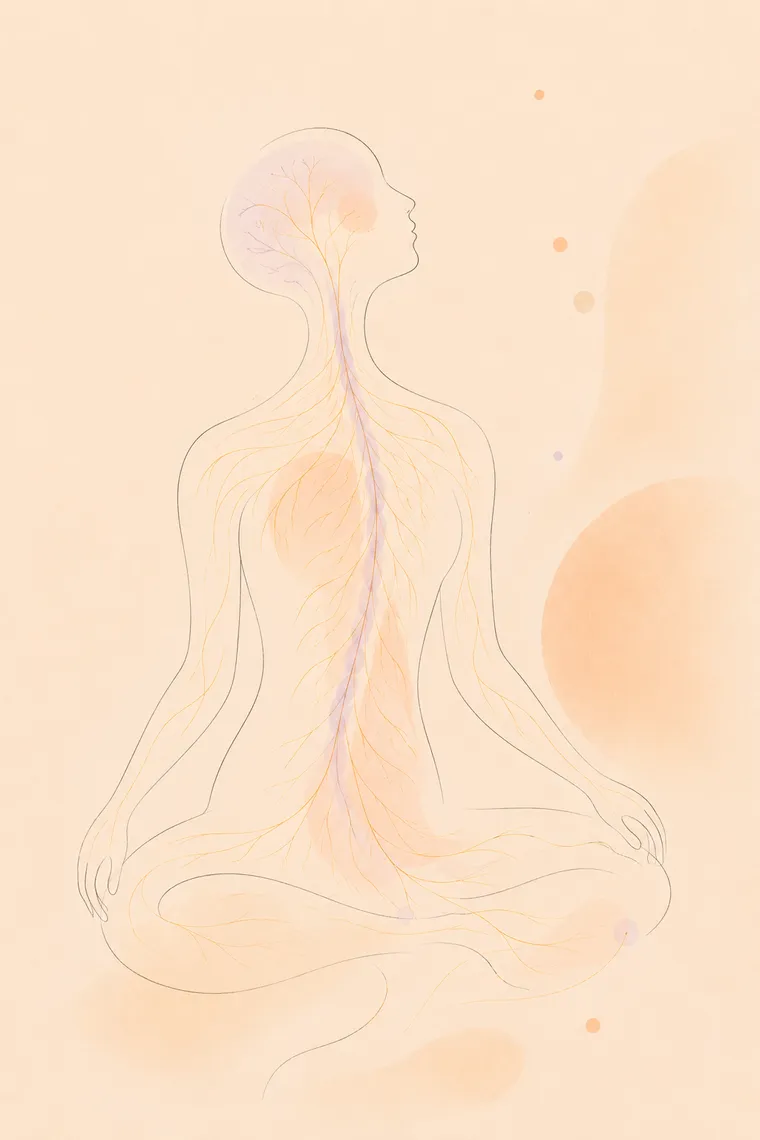
Nervous system
The brain, spinal cord, and nerves coordinate everything else — including the body's stress response. Craniosacral techniques and unhurried touch help quiet an overworked nervous system, which many clients notice as ease from head and neck tension and a deep sense of calm.
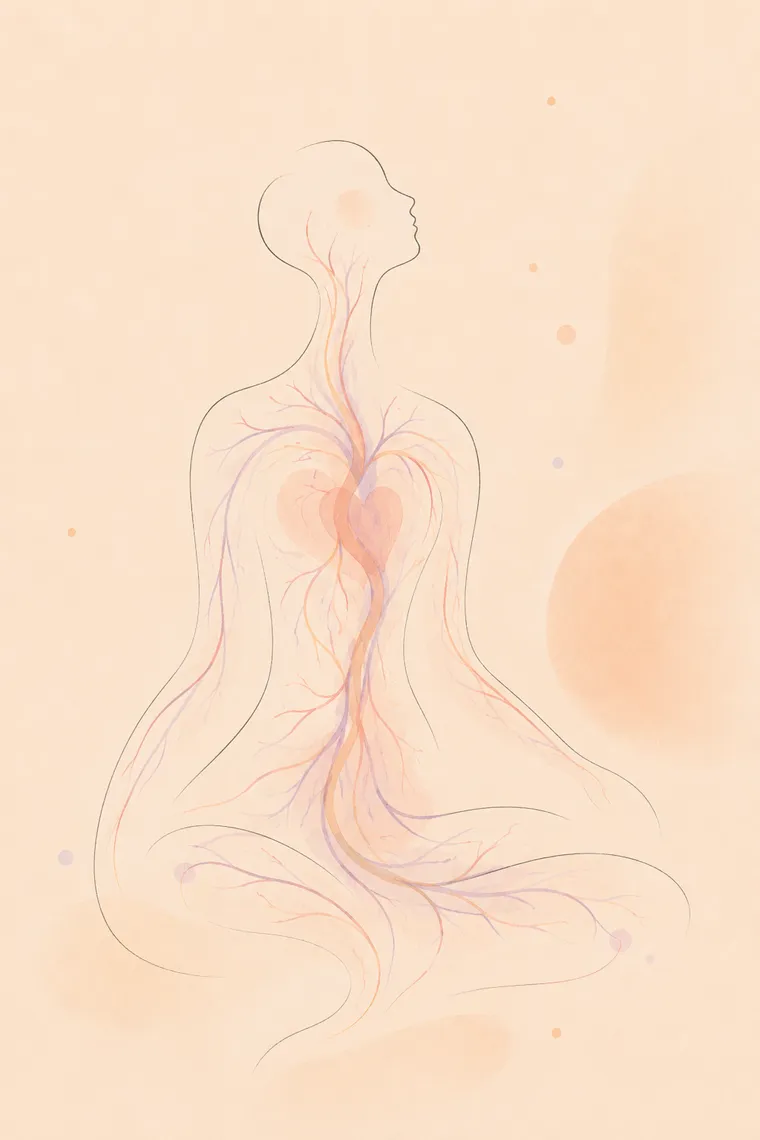
Circulatory system
The rivers of the body — arteries, veins, and lymphatic channels. Tight tissues can crowd these pathways. Releasing restrictions aims to help fluids move freely, easing congestion and supporting the body's own housekeeping.
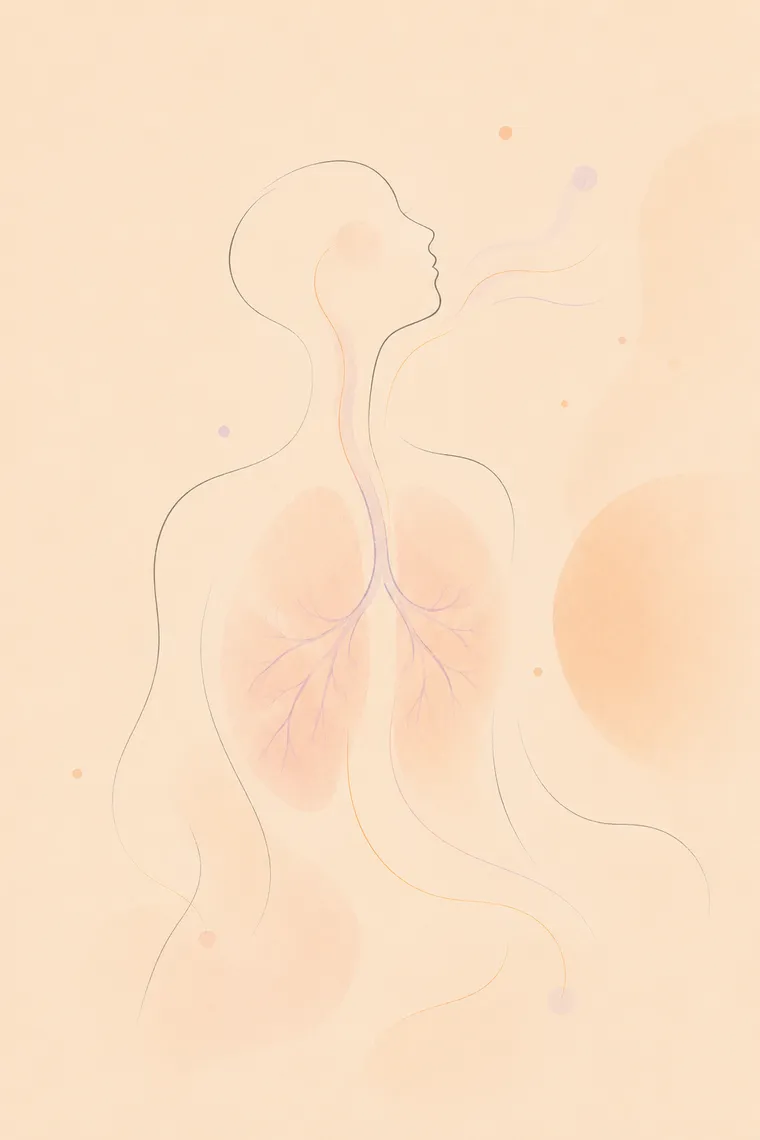
Respiratory system
The diaphragm, ribcage, and airways. Restriction in the ribs or diaphragm makes every breath work harder than it needs to. Freeing these structures helps breath come easier and fuller — often one of the first changes people feel after a session.
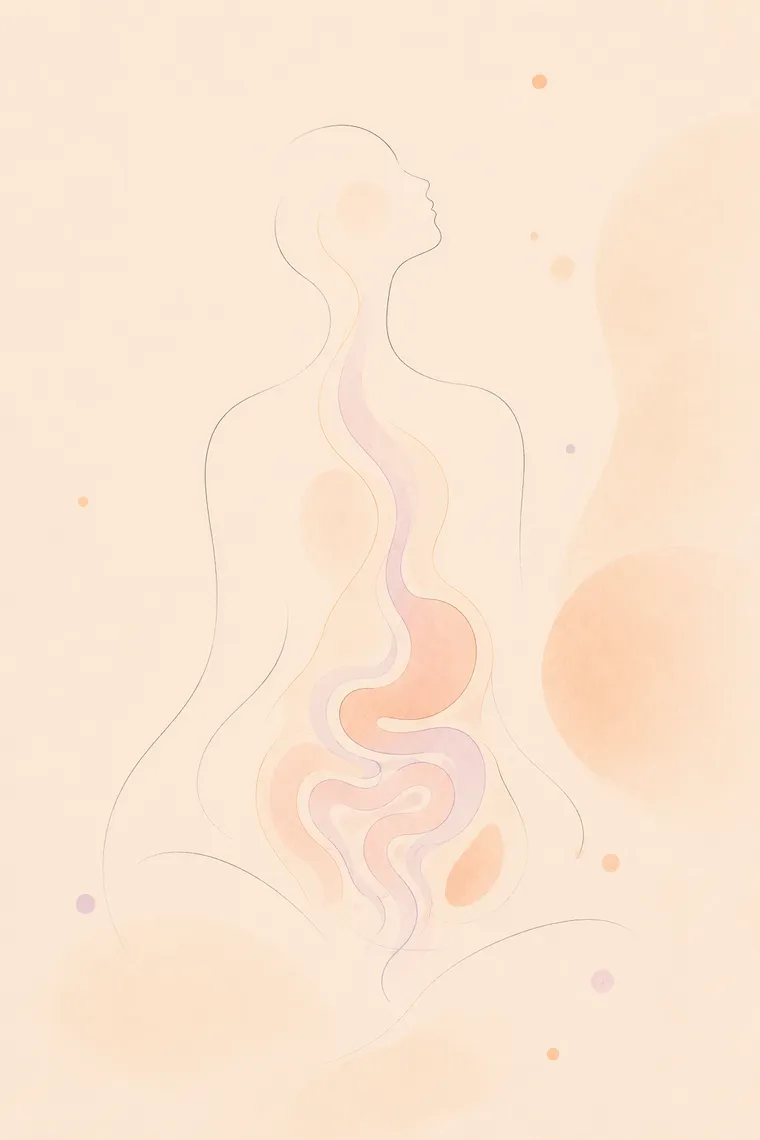
Digestive system
The stomach, intestines, and the tissues that support them. Visceral manipulation gently encourages the natural mobility these organs need to do their work, which can support more comfortable digestion and help with issues like constipation and bloating.
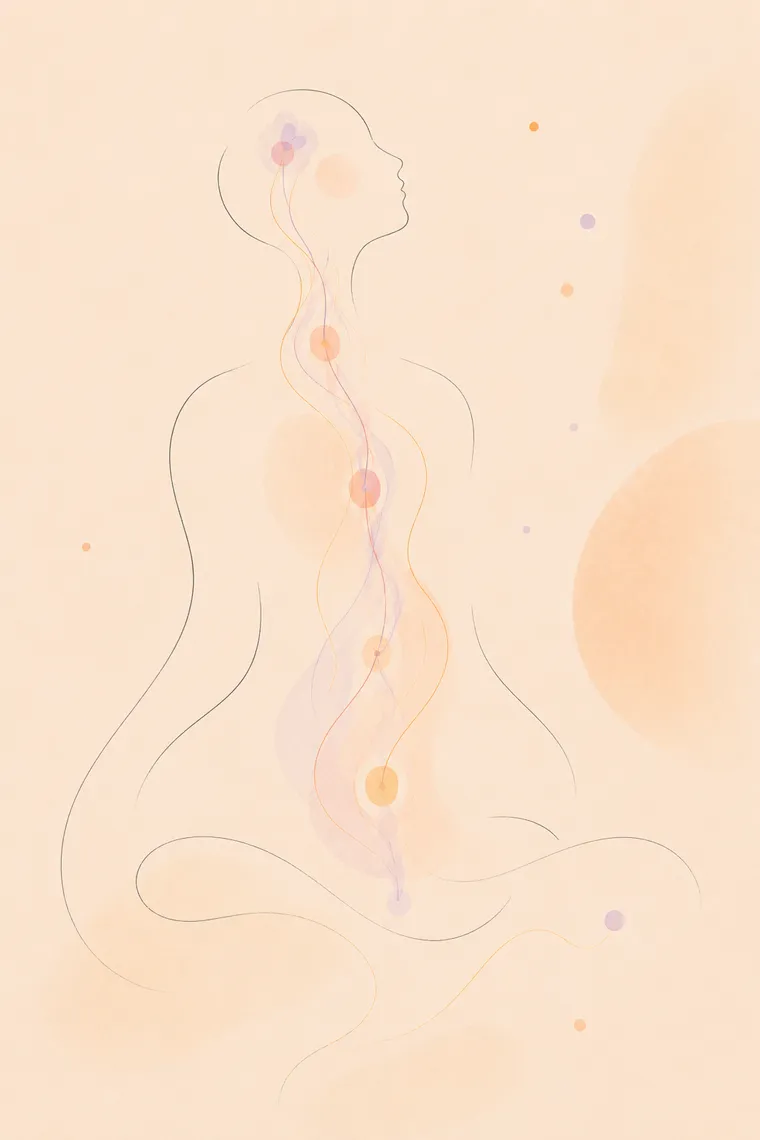
Endocrine system
The hormone-producing glands that set the body's internal rhythms. Manual therapy doesn't act on hormones directly — but calming the nervous system and supporting healthy circulation helps create the conditions in which those rhythms can settle.
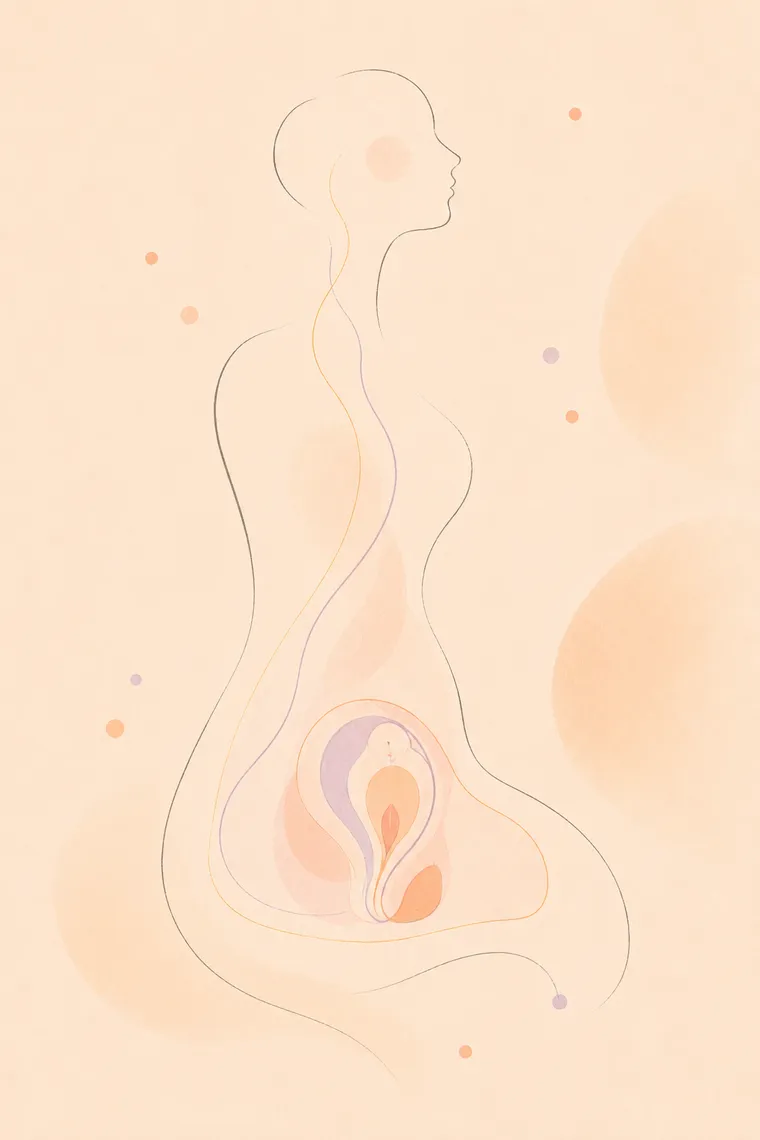
Reproductive system
The pelvic organs and the ligaments that suspend them. Balanced tension through the pelvis supports comfort and ease of movement — an area where gentle, respectful hands-on work can be particularly valuable.
As with all manual therapy, this work supports — and never replaces — medical care. Symptoms that may have pathological origins should be assessed by a physician.
What to expect
Sessions begin with a conversation — a check-in about how you're doing and what's changed. From there, Tony assesses through palpation and movement evaluation, then works hands-on, adapting to what your body shows him and how you respond.
Movement may be incorporated during treatment, so please wear loose, comfortable clothing (see the FAQ for specifics).
Session fees
Initial Session
An extended first visit: health history, assessment, and hands-on treatment.
Regular Session
Ongoing personalized treatment sessions.
Sliding Scale
Tony reserves a number of spots each week for those experiencing financial hardship. Please contact Tony before booking.
Payment by cash (preferred), check, or Venmo. Insurance is not accepted directly, but itemized invoices are provided for reimbursement submissions.
Get started
Book directly through the secure scheduling portal, or send a consult request if you have questions first.